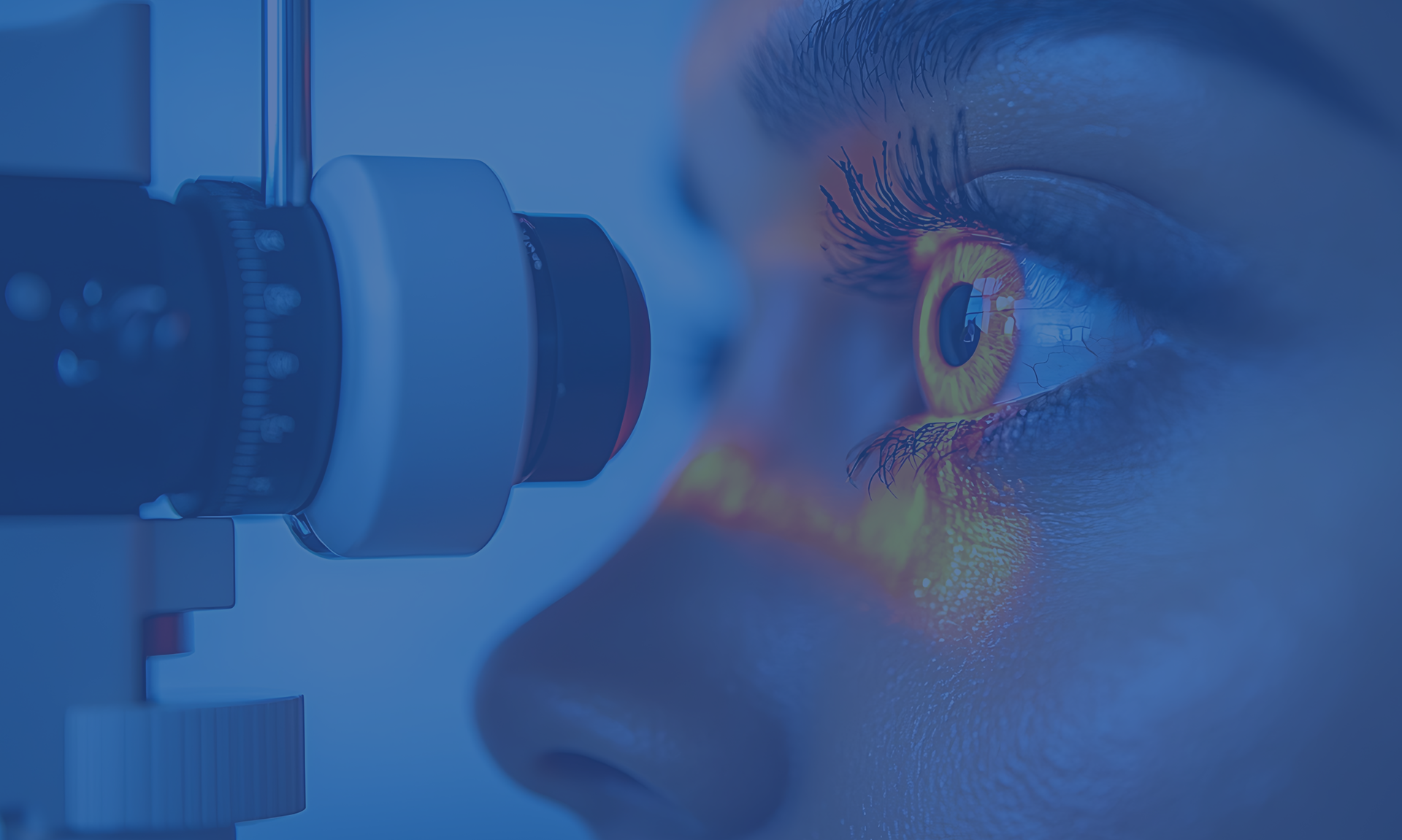
The fundamentals of comprehensive eye care and optical solutions
Understanding the visual system and preventive preservation strategies

Glaucoma
A chronic condition characterized by high intraocular pressure requiring screening to prevent optic nerve damage.
1

Cataract
Eye lens opacification causing blurred vision or glare sensitivity, often requiring surgical treatment to restore reading ability.
2

Conjunctivitis
Conjunctiva inflammation or pink eye, triggering redness, often from bacterial contamination or viral infection.
3

Keratitis
Cornea inflammation caused by injury or fungal infection, often linked to contact lens misuse.
4
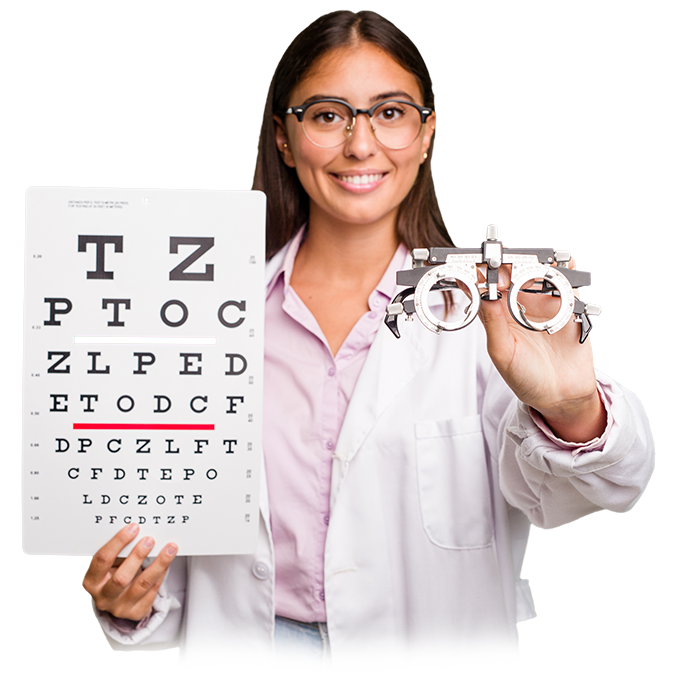

An introduction to optical correction and designer eyewear
Corrective lenses, from single vision to progressives, refract light onto the retina, correcting myopia and astigmatism. An optical prescription defines the lens index required for your chosen designer frames. High-tech materials with anti-reflective coatings and hydrophobic layers are essential to maximize visual comfort and ensure the durability of eyeglasses.
Professional fitting for prescription eyeglasses and contact lenses guarantees optimal vision. For glasses, experts measure pupillary distance for precise frame alignment. Regarding contacts, a practitioner analyzes corneal curvature to prescribe silicone hydrogel lenses that permit oxygen transmission, vital for maintaining eye health and wearing comfort over time.
Vision Health
Which specialists for which needs?


Visual development and lifecycle care
Vision care evolves from infancy to senior years, mirroring physiological changes. Pediatric development involves retina maturation and nerve connections, building depth perception. During adolescence and adulthood, visual acuity stabilizes, but myopia progression or screen exposure may require prescription glasses to maintain clear perception.
Aging eyes experience presbyopia, decreased accommodation, and higher risks of cataracts or macular degeneration. Monitoring these senior changes enables the use of progressive lenses, preventive screening, and vision correction strategies to preserve optimal vision quality.